
Regional Victoria offers what many skilled migrants come to Australia to find: real career growth, housing that gives your family room to grow, and a pace of life that leaves time for the things that matter, including the clean air and open space that are hard to find in a major city. Regional Victoria's communities are warm, diverse, and genuinely welcoming to new arrivals. Many towns and cities have strong multicultural roots, with people drawn to the lifestyle and natural environment as much as the opportunity. With world-class healthcare, quality education, and a thriving cultural life, everything you need to build a full and connected life is here.
About regional Victoria
Regional Victoria includes five diverse regions, from vibrant regional cities and coastal towns to smaller towns across the state. Discover more about regional living, industries and places to live.
Living in regional Victoria
Discover what it's like to live, work and settle in regional Victoria. Explore jobs, housing, education, healthcare, community life and settlement support to help you make the move with confidence.
Discover Victoria’s regions
Explore Victoria's five regions to learn more about the cities, towns, industries and communities that make each region unique.
-
Barwon South West Region
Barwon South WestThe Barwon South West Region stretches from the border with South Australia to the tip of Queenscliff at Port Phillip Bay. This region includes Victoria’s largest regional city Geelong, the picturesque Great Ocean Road and welcoming coastal towns.
The Barwon South West Region has excellent education facilities, sports and recreation centres, as well as investment opportunities in agriculture and renewable energy.
-
Gippsland Region
GippslandGippsland offers a variety of natural attractions for residents and visitors to enjoy: clean beaches, pristine rainforests, snowfields, hiking and riding trails, wineries and more.
Some of Gippsland’s key industries include dairy, fishing and energy. Gippsland is popular for its sports activities like water skiing, surfing and snow skiing.
-
Grampians Region
GrampiansFrom the border with South Australia at Victoria’s west to the edge of metropolitan Melbourne at Melbourne’s east, the Grampians Region includes many townships, attractions and activities.
Try your luck at panning for gold at Sovereign Hill, explore the many historical Gold Rush sites, and witness the natural beauty of the Grampians National Park.
There is plenty to see and do in the Grampians Region, as well as many investment opportunities in areas such as renewable energy, food product manufacturing, agriculture and tourism.
-
Hume Region
HumeThe Hume Region is renowned for its world-class wines and gourmet food – it’s also part of the ‘food bowl of Australia’.
The region’s diversity – and new opportunities in key industries – will ensure steady economic development and jobs growth. This is reflected in Hume's population growth, which is projected to grow by over 38% before 2031.
Hume hosts a number of festivals and events throughout the year such as the Bright Autumn Festival, the Wangaratta Festival of Jazz and the Australian Superbike Championship in Winton.
-
Loddon Mallee Region
Loddon MalleeThe Loddon Mallee Region occupies more than a quarter of Victoria. With one of the most consistently warm climates in the State, people enjoy the region’s waterways, acclaimed restaurants and wineries, heritage towns and grand forests.
The Loddon Mallee Region has a growing economy in tourism, horticulture and manufacturing. Visit some of Victoria’s most famous town centres such as Bendigo, Castlemaine and Mildura.
-
Melbourne
About MelbourneMelbourne is the capital city of Victoria and the fastest growing city in Australia. A central business hub for Asia-Pacific, Melbourne offers excellent investment opportunities and is the world’s most liveable city.
Explore the practical information, opportunities and support available to help you live, work and settle in regional Victoria.
Migration
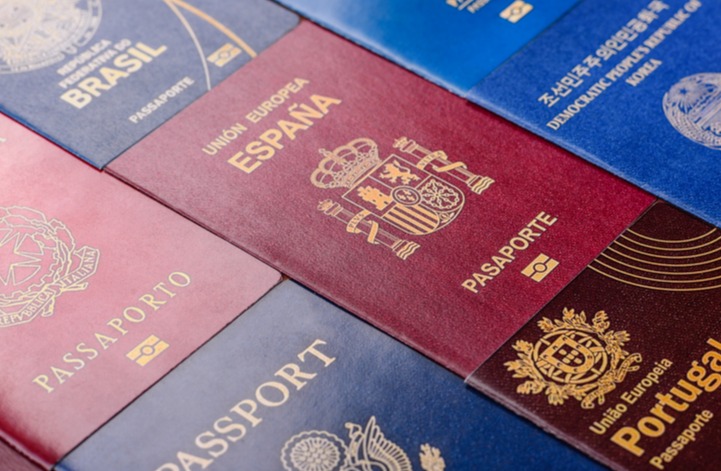
Living and working in regional Victoria can provide access to additional migration pathways, including regional visas, state nomination and employer sponsorship opportunities.
Learn more
Settlement
Settlement services, multicultural organisations and community networks that can help you and your family connect, find support and become part of your local community.
Learn more
Jobs
Explore rewarding career opportunities across diverse and growing regional industries, including healthcare, education, construction, renewable energy and advanced manufacturing and more.
Learn more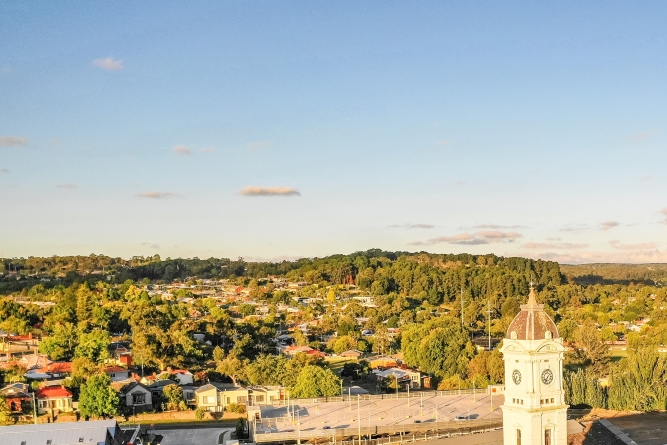
Housing
More housing choice, more space and better value for money, with shorter commutes and easy access to nature, places and experiences that enrich everyday life.
Learn more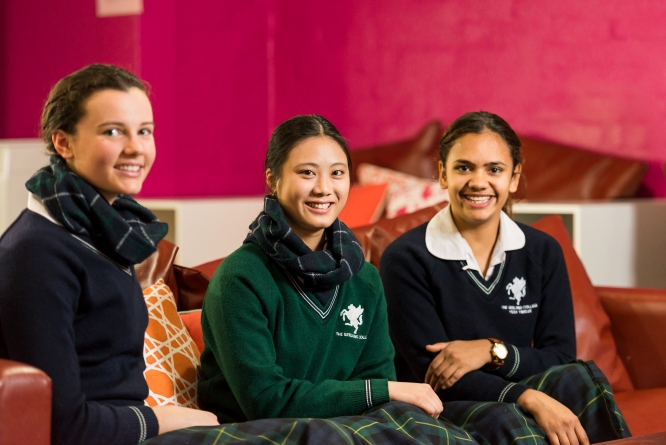
Education
Access quality schools, Technical and Further Education (TAFEs) and universities, with opportunities for every stage of learning and career development.
Learn more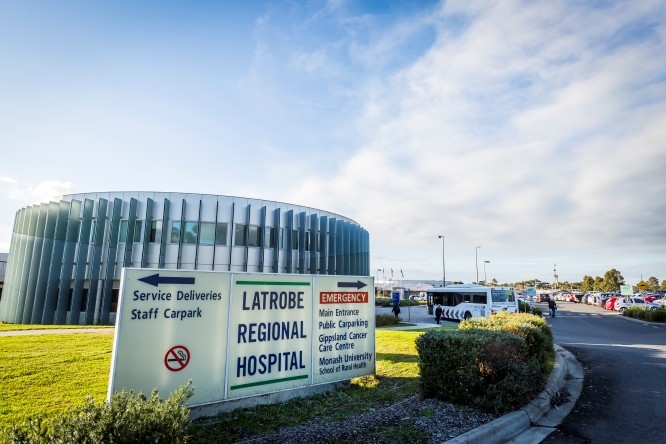
Health
Access quality healthcare through regional hospitals, community health services and specialist providers while enjoying a lifestyle that supports your wellbeing.
Learn more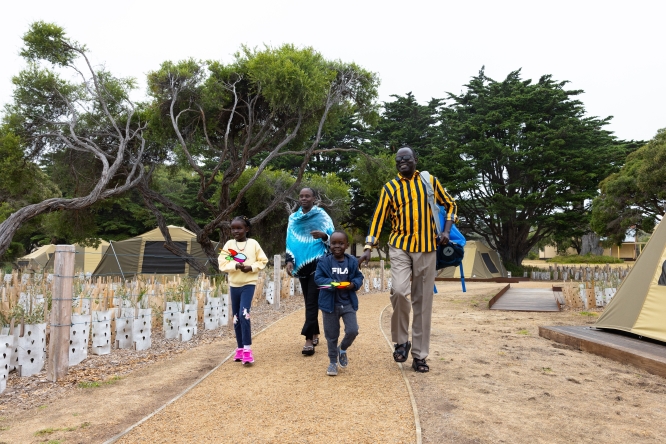
Communities
Connect with welcoming and diverse communities through multicultural organisations, local groups, clubs and events and community networks.
Learn more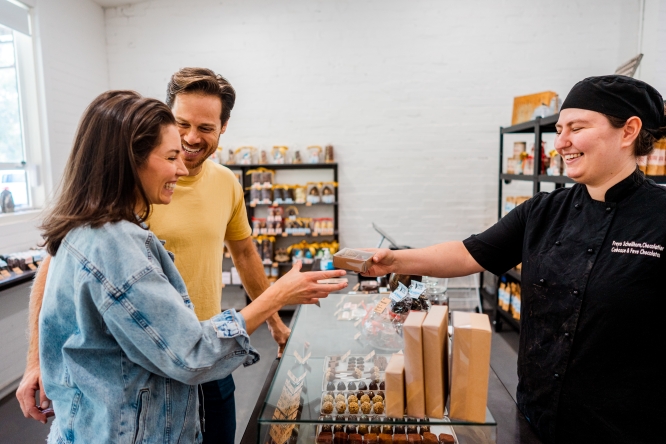
Business
Start, grow or invest in a business with competitive operating costs, access to skilled talent, supportive business networks and Victorian government business support.
Learn more